Pickups change a tone more than any knob on the amp. A card recorded with a bridge humbucker will not sound the same through a Strat's single coil at identical settings, and that is not a mistake, it is physics. Once you know what is in your guitar, every card on this site tells you which way to nudge things.
The 30 second version
Look at the pickup from above and ask three questions.
- How wide is it? About two fingers wide with two rows of poles (or a metal cover that size) is a humbucker. One finger wide with rounded ends is a single coil. In between, rectangular, with six big screws, is a P-90.
- Can you see pole pieces? A smooth chrome tube with none is a lipstick. A smooth black bar with none is active.
- Anything unusual around it? Triangular ears mean a dog ear P-90. A notched metal claw means a Jaguar. Two rows of screws in a raised frame mean a Filter'Tron. Angled and sitting in the bridge plate means a Telecaster.
Still unsure? Search your guitar's model name plus "pickups". Every production guitar's spec sheet lists them.
Humbucker (open coils)
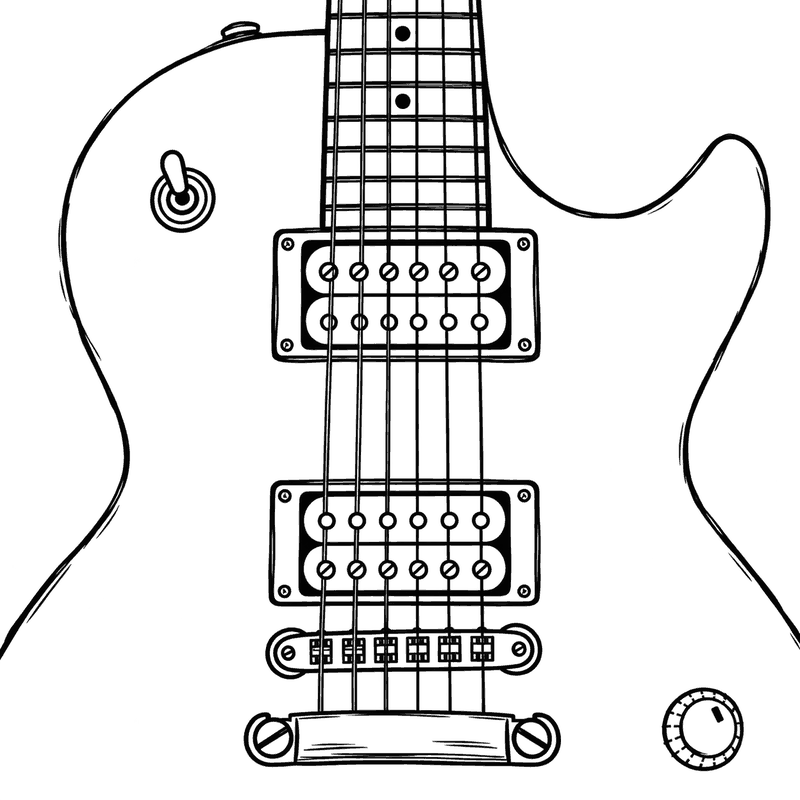
What it looks like
A wide rectangle, about the size of two fingers side by side, with two rows of six pole pieces. On most humbuckers one row is slotted screws and the other is plain metal slugs. It sits in a mounting ring or is screwed straight to the body.
What it sounds like
Thick, warm, and loud, with the top end rounded off. Humbuckers are two coils wired to cancel hum (hence the name), which also makes them push an amp harder than a single coil.
Guitars that usually have it
Les Paul, SG, ES-335, PRS, most Epiphones, most modern hard rock and metal guitars.
Dialing in a tone card with it
This is the pickup most of our rock tone cards were recorded with, so start with the card's numbers as written. If your humbucker is a hot modern one and the card is a vintage tone, nudge Gain down 5 to 10.
Humbucker (covered)
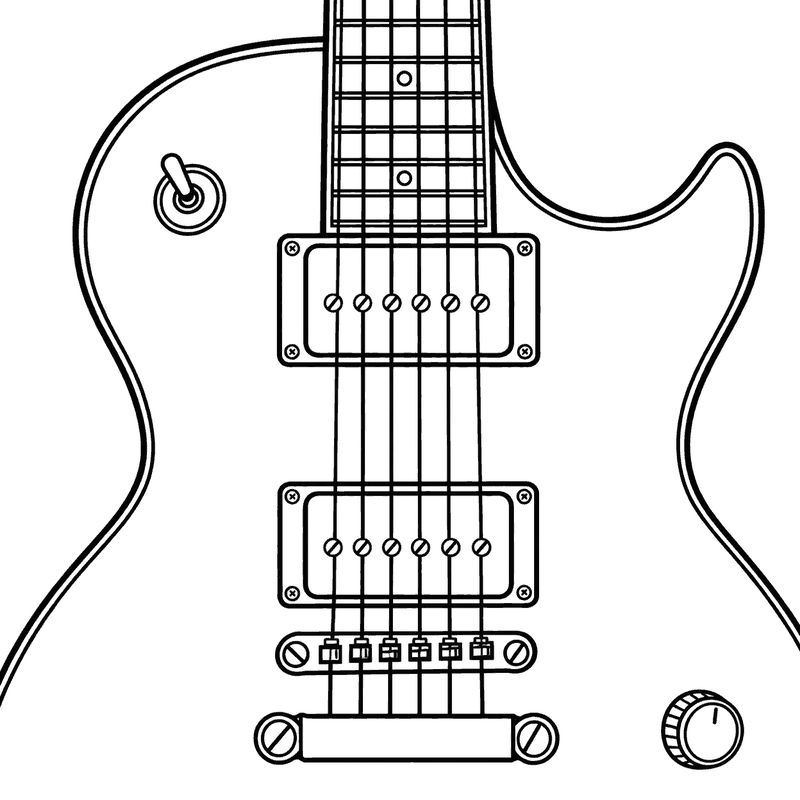
What it looks like
Same wide rectangle, but under a metal cover so only one row of six screws shows. Usually chrome, nickel, or gold. This is the one people mistake for something else: if it is humbucker-sized and has a metal cover, it is almost always a humbucker.
What it sounds like
Same as an open humbucker, a touch smoother and darker on top. The cover shaves a little of the very highest frequencies.
Guitars that usually have it
Les Paul Standard and Custom, ES-335, many Gretsch and Epiphone models.
Dialing in a tone card with it
Treat it exactly like an open humbucker. If the card sounds dull on yours, add a few points of Treble or Presence rather than Gain.
P-90 (soap bar)
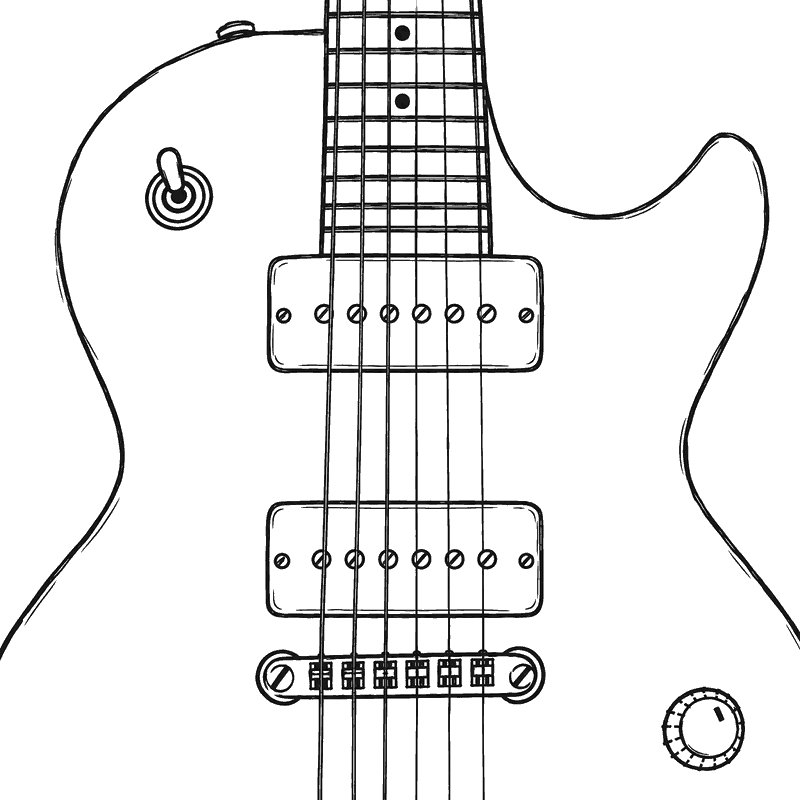
What it looks like
A rectangle with softly rounded corners and one row of six big screws, usually cream or black plastic. Wider than a Strat single coil, narrower than a humbucker, with no mounting ring. The name comes from the shape.
What it sounds like
The middle ground: brighter and rawer than a humbucker, fatter and grittier than a Strat pickup. Great for punk and garage crunch. Being a single coil, it will hum near screens and lights.
Guitars that usually have it
Les Paul Special and Junior, SG Special, many Epiphone and modern boutique guitars.
Dialing in a tone card with it
Cards recorded with humbuckers will come out brighter and a bit thinner on P-90s. Raise Gain 5 to 10 and pull Treble back a few points. Add a Noise Gate pedal in Pedalboard if hum bothers you.
P-90 (dog ear)
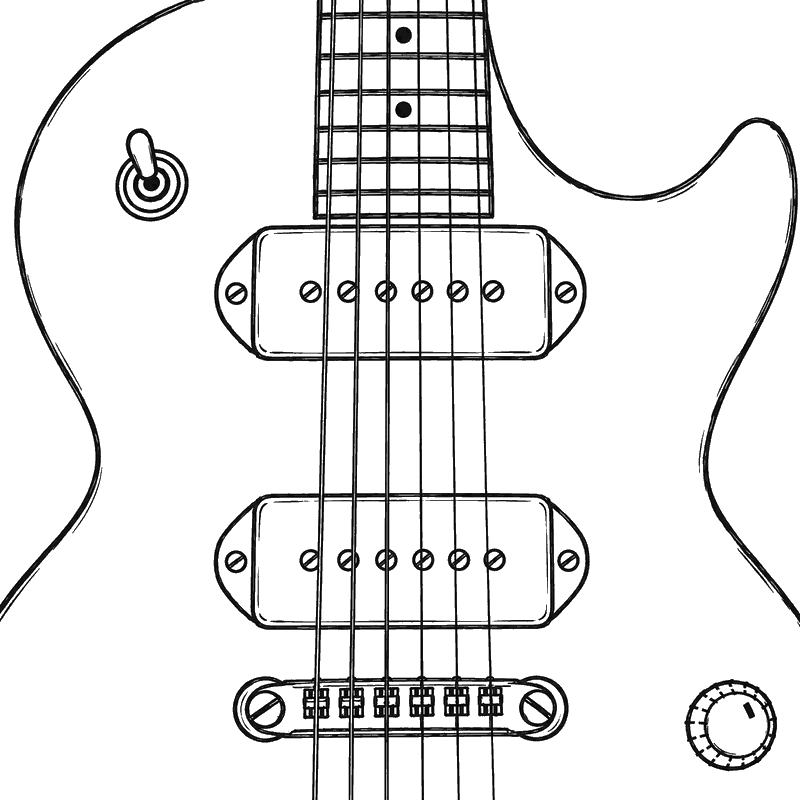
What it looks like
Electrically the same pickup as the soap bar, but the cover has triangular ears sticking out at each end with a mounting screw through each. If it has ears, it is a dog ear.
What it sounds like
Identical to the soap bar P-90.
Guitars that usually have it
ES-330, Casino, Les Paul Junior and Special reissues, many hollow and semi-hollow guitars.
Dialing in a tone card with it
Use the soap bar P-90 advice. On a hollow body, expect a little more feedback at high Gain, so hold the Master a touch lower.
Single coil (Stratocaster style)
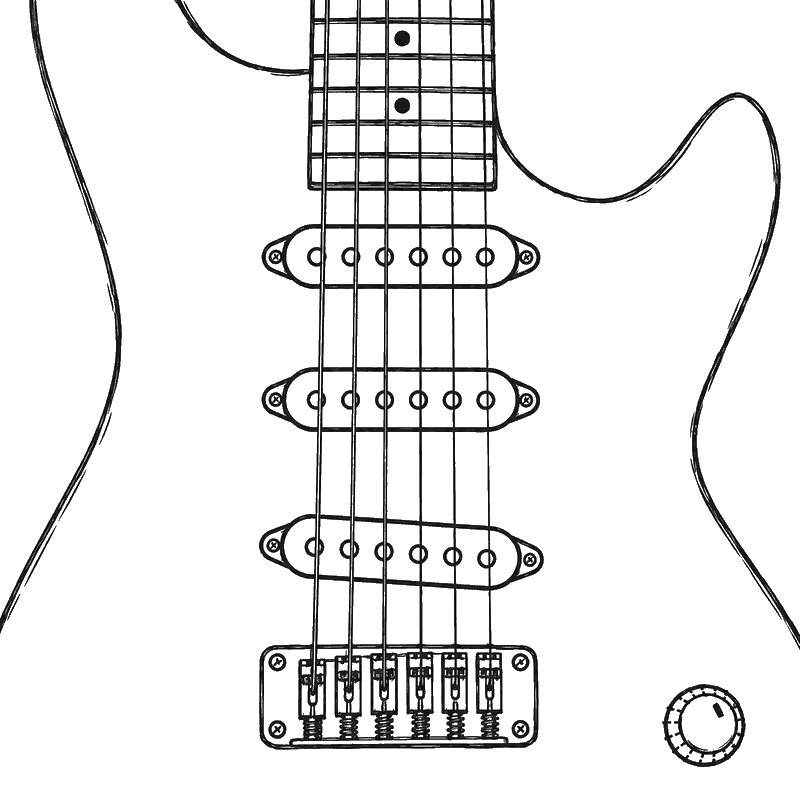
What it looks like
A narrow pickup with rounded ends and six exposed pole pieces, typically white, black, or cream, mounted through a pickguard. Strats have three of them. Look closely and the poles are often at different heights.
What it sounds like
Bright, clear, and glassy, with a snappy attack. Less output than a humbucker, so a clean amp stays cleaner and a driven amp breaks up later. Hums near lights and screens.
Guitars that usually have it
Stratocaster and Strat copies, many Squier and Yamaha models.
Dialing in a tone card with it
Against a humbucker card, raise Gain 10 to 15 and Bass 5, and pull Treble down a few points. The neck pickup on a Strat gets you closest to a humbucker-ish warmth. For humbucker rock tones the bridge pickup will sound thin; that is normal, not a settings error.
Telecaster pickups
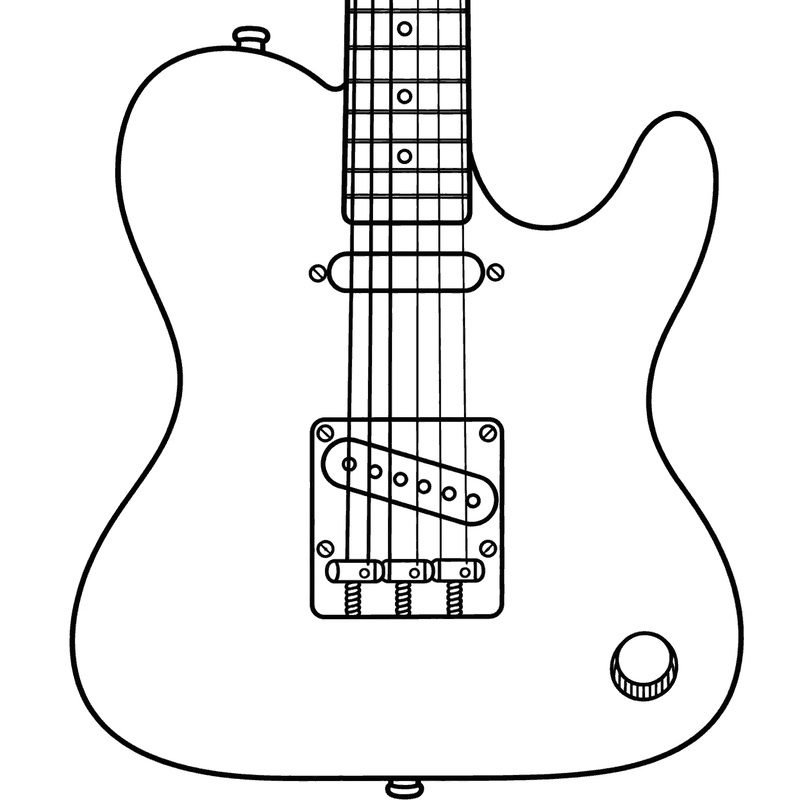
What it looks like
Two different pickups on one guitar. The bridge pickup sits at an angle inside the metal bridge plate. The neck pickup is small with a smooth metal cover and no visible poles. Both are single coils.
What it sounds like
The bridge is the famous Tele twang: bright, cutting, wiry. The neck is much rounder and warmer, almost hollow sounding. Country, indie, and a surprising amount of rock live on the bridge pickup.
Guitars that usually have it
Telecaster and Tele copies, Esquire (bridge only).
Dialing in a tone card with it
Same single coil advice as the Strat, and the bridge is brighter still, so take Treble down further. The neck pickup with the tone rolled back is the closest a Tele gets to a humbucker card.
Jazzmaster pickups
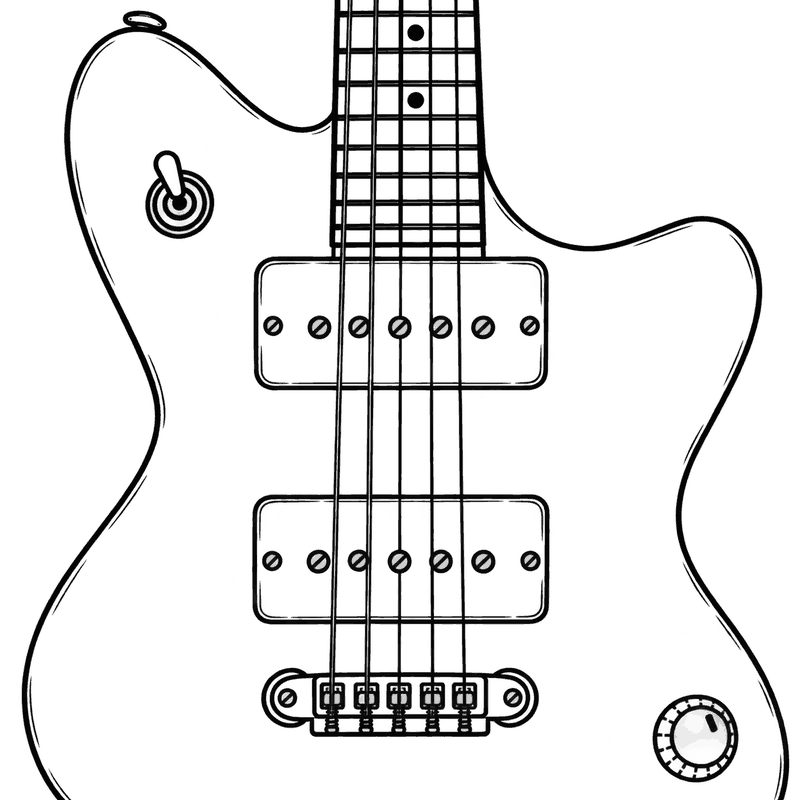
What it looks like
A wide, flat, rectangular pickup with six visible pole pieces, mounted in the pickguard. Often confused with a P-90 because of the shape, but it is wider and flatter, and the guitar body is usually an offset shape.
What it sounds like
Bright and wide with a soft attack, less middle than a P-90. Very clean and spacious for chords, a bit polite for hard rock.
Guitars that usually have it
Jazzmaster and offset copies, many indie and shoegaze guitars.
Dialing in a tone card with it
Treat as a single coil: more Gain than the card, less Treble. Modulation and delay pedals in Pedalboard flatter this pickup.
Jaguar pickups
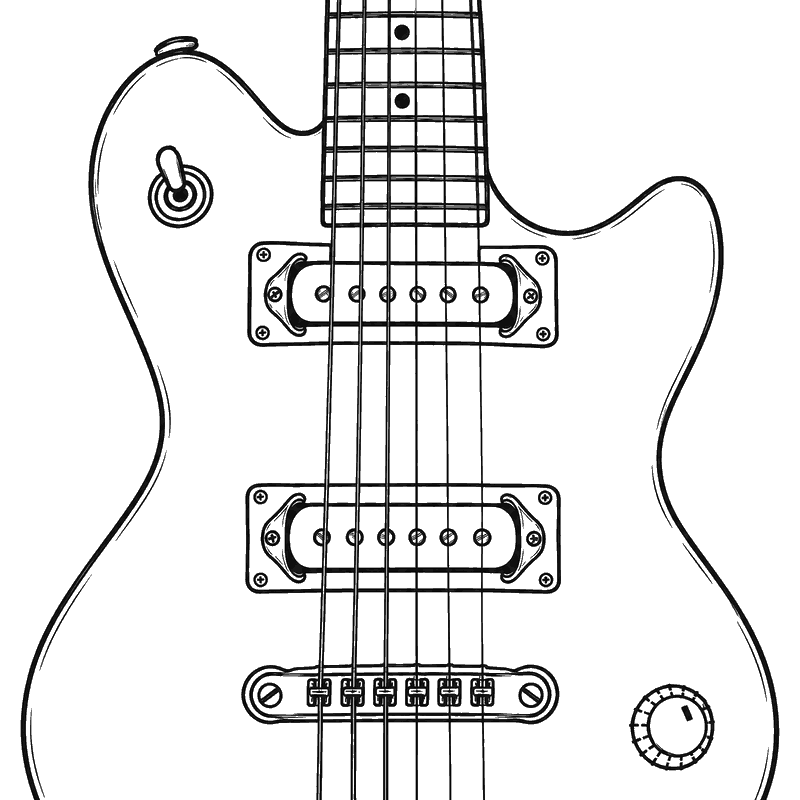
What it looks like
Looks like a Strat single coil but with a notched metal claw wrapped around it. That claw is the tell.
What it sounds like
Like a Strat pickup with extra bite and a little less bass. Sharp and jangly.
Guitars that usually have it
Jaguar and Jaguar copies.
Dialing in a tone card with it
Same as the Strat single coil advice. If the card is a thick rhythm tone, use the neck pickup and add a few points of Bass.
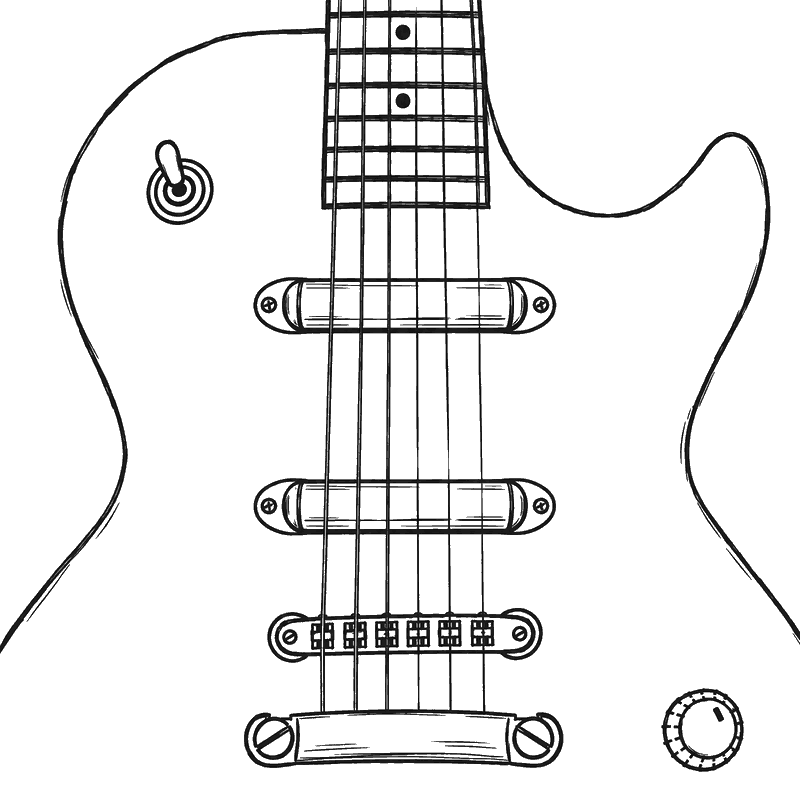
Lipstick tube
What it looks like
A smooth chrome tube with no visible pole pieces, mounted by a screw at each end. The coil is literally sealed inside a lipstick case. Nothing else looks like it.
What it sounds like
Thin, chimey, and a little lo-fi in a charming way. Low output. Cleans up beautifully and takes fuzz well.
Guitars that usually have it
Danelectro, some Fender and Squier models, many surf and garage guitars.
Dialing in a tone card with it
Treat as a very low output single coil: Gain 15 or more above a humbucker card. It will never do a thick Marshall tone, but it makes great indie and surf tones that a humbucker cannot.
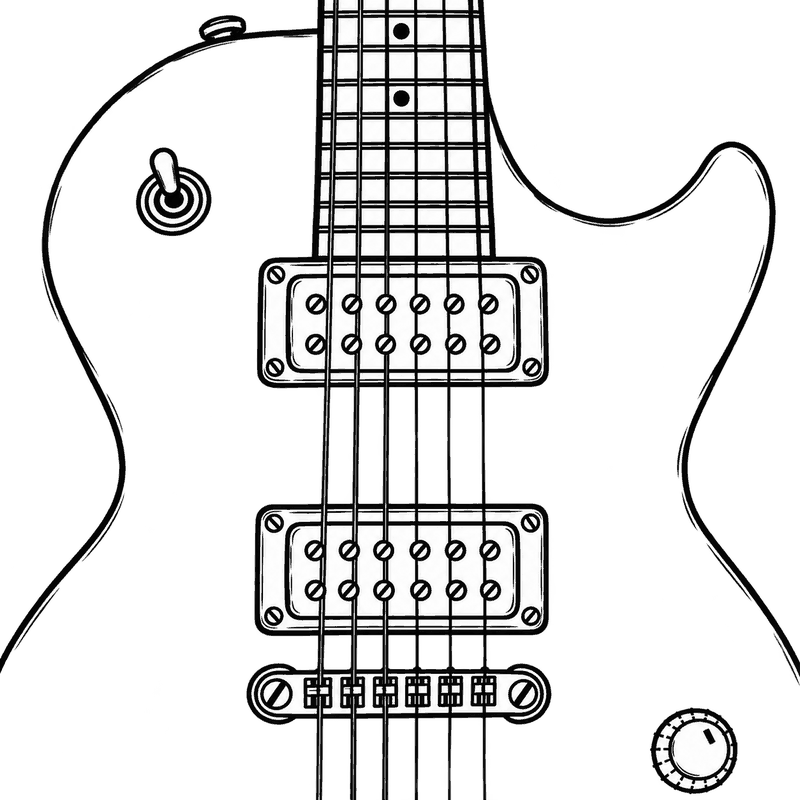
Filter'Tron
What it looks like
Humbucker sized, with two rows of six screws (both rows are screws, not slugs) inside a metal frame with a raised edge. Usually chrome or gold.
What it sounds like
A humbucker that thinks it is a single coil: clear and bright with a tight low end, less thick than a Gibson-style humbucker. The classic rockabilly and jangle sound.
Guitars that usually have it
Gretsch, and Gretsch-style guitars.
Dialing in a tone card with it
Halfway between the humbucker and single coil advice: add about 5 to Gain against a humbucker card and leave Treble alone. Reverb and slapback delay are its natural friends.
Active pickups
What it looks like
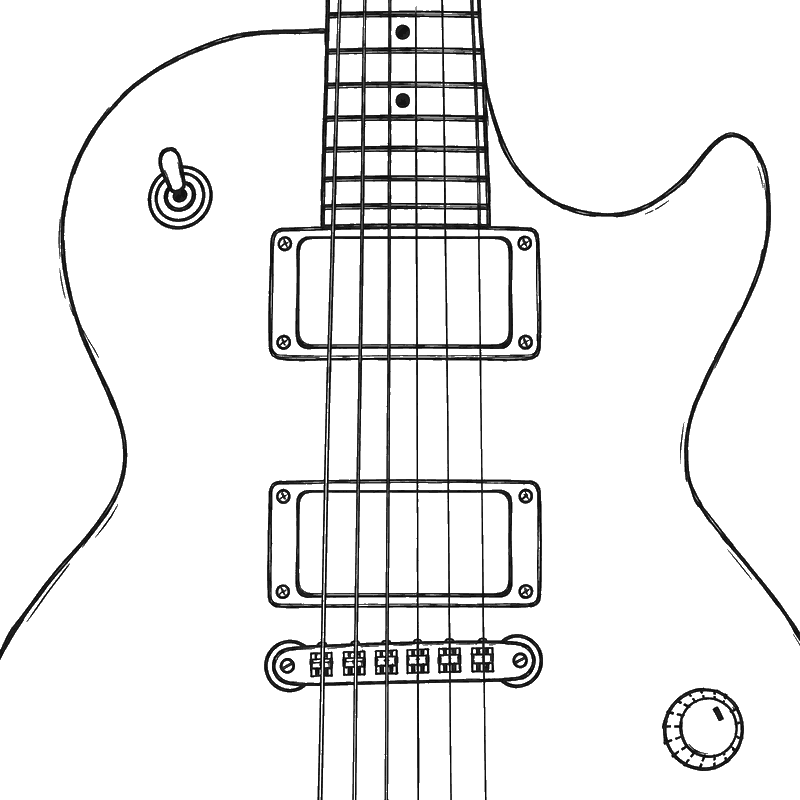
A smooth black (sometimes white) bar with no pole pieces and no metal cover. The guitar has a battery compartment on the back. EMG is the common brand.
What it sounds like
Very high output, very clean and even, with a compressed feel and almost no hum. Built for high gain metal.
Guitars that usually have it
Metal guitars from ESP, Schecter, Jackson, and many signature models.
Dialing in a tone card with it
Actives push an amp much harder than the pickups on our vintage cards. Start with Gain 15 to 20 lower than the card says and raise it to taste. A Noise Gate is rarely needed.
The general rules
If you remember nothing else from this page:
- Single coil into a humbucker card: more Gain, a little less Treble, maybe a Noise Gate.
- Humbucker into a single coil card: less Gain, a little more Treble, and try the neck pickup with the guitar's tone knob rolled back if it is still too thick.
- Bridge vs. neck matters as much as the type. Cards say which position was used. The bridge is always brighter and tighter; the neck is always warmer and rounder.
- Your volume knob is a gain control. Rolling it from 10 to 7 cleans up any pickup faster than touching the amp.
The plan for this site is to let you save your guitar's pickups once and have every tone card show these adjustments automatically. Until then, this page is the lookup table.
Next: browse the tone cards and put this to work.